Superoxol
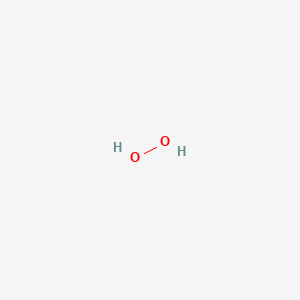
CAS No.: 7722-84-1
- Molecular Formula: H₂O₂
- Molecular Weight: 34.015 g/mol
Chemical type
- Reactive oxygen species (ROS)
- Signaling molecule
- Reactive oxygen species (ROS)
- Redox-active signalling molecule
- Oxidizing agent
Key properties
- High permeability via XIPs, PIPs (e.g., PIP2;1), and TIPs
- Negligible water permeability in some XIPs
- Modulated by phosphorylation (e.g., Ser121 in PIP2;1)
- Small, membrane-permeable oxidant
- Acts as both a signalling molecule and oxidative stress agent
- Can reversibly oxidise cysteine residues in proteins
- Decomposes to highly reactive •OH radicals in catalytic systems
- Effective in acidic conditions for pollutant oxidation
- Non-selective reactivity for breaking chemical bonds in organics
- Redox signaling in stress responses (e.g., drought, salinity, hypoxia)
- Triggers stomatal closure via ABA pathways
- Involved in pathogen defense and innate immunity
- Exogenous ROS treatment to trigger redox signalling
- Positive control for symplastic ROS detection
- Investigation of ROS–Ca²⁺ signalling crosstalk
- Reagent in Fenton-like advanced oxidation processes for degrading refractory pollutants like azo dyes
- Generates •OH for cleavage of dye chromophoric structures
Classification by use
- Signaling molecules transported by AQPs
- Chemicals in oxidative stress and defense mechanisms
- Chemicals used as signalling molecules
- Chemicals used to induce oxidative stress
- Chemicals used in redox biology research
- Oxidants in wastewater treatment and environmental remediation
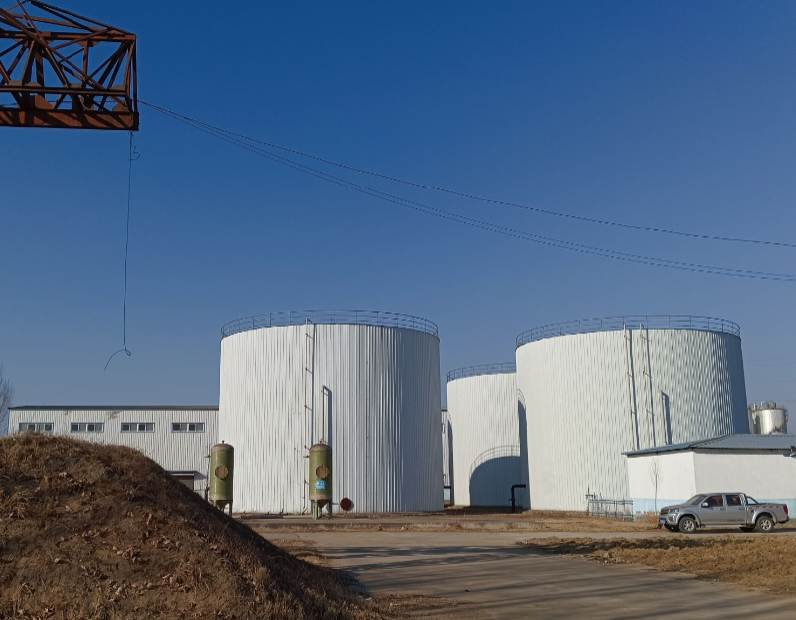
A trustworthy factory and manufacturer
- [Cite:1] Systematic Review of Plant AQPs: Molecular mechanisms, intracellular trafficking, and emerging roles in stress adaptation, Current Plant Biology, Volume 45, January 2026, 100586
- [Cite:2] Ca2+ and ROS signalling exhibit divergent root-specific dynamics in Arabidopsis responses to abiotic stress and PAMPs, Current Plant Biology, Volume 45, January 2026, 100571
- [Cite:3] The Rapid Catalytic Degradation of Reactive Black 5 Using Mo51Fe34B15 Metallic Glass Wire, Metals, 2025, 15(10), 1160