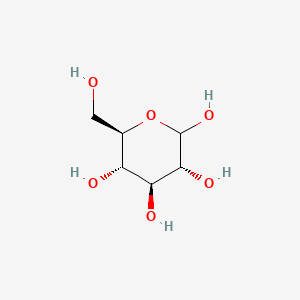
D-Glucopyranose
CAS No.: 50-99-7
- Molecular Formula: C6H12O6
- Molecular Weight: 180.16 g/mol
Chemical type
- Monosaccharide sugar
- Simple carbohydrate
- Biomass-derived small molecule
- Monosaccharide carbohydrate
Key properties
- Primary source of energy for cells in the body
- Blood levels regulated by insulin; elevated or variable levels indicate metabolic disorders like Type 2 Diabetes Mellitus (DMT2)
- Measured in mg/dL; normal range typically 70-140 mg/dL, with higher variability in DMT2 patients
- Interstitial fluid concentration correlates with blood levels, allowing non-invasive monitoring
- Exhibits temporal variability (e.g., standard deviation, skewness, kurtosis) that differs between diabetic and non-diabetic individuals
- Widely available from lignocellulosic biomass or industrial waste
- Favorable thermodynamics and kinetics for oxidation
- Multiple electron transfer steps for high current densities
- Sustainable and renewable feedstock
- Low anodic potential requirement compared to oxygen evolution reaction (OER)
- Biomarker for detecting and monitoring Type 2 Diabetes Mellitus (DMT2)
- Continuous monitoring via sensors (e.g., Freestyle CGM) to assess glycemic variability and disease progression
- Indicator in self-care routines for DMT2 patients, including diet, exercise, and treatment adjustment
- Data source for signal processing techniques like Geometric Pattern Transformation (GPT) to classify diabetic vs. non-diabetic states
- Anodic fuel in glucose oxidation reaction (GOR) for hydrogen production
- Replacement for OER in alkaline water splitting (AWS)
- Biomass valorization to value-added products (e.g., gluconic acid)
- Integration with circular bioeconomy principles for clean energy and waste valorization
Classification by use
- Chemicals used as biomarkers in disease detection
- Chemicals in metabolic and endocrine diagnostics
- Substances monitored in medical devices (e.g., continuous glucose monitors)
- Chemicals used as anodic fuels in electrolysis
- Chemicals used in biomass conversion and sustainable energy production
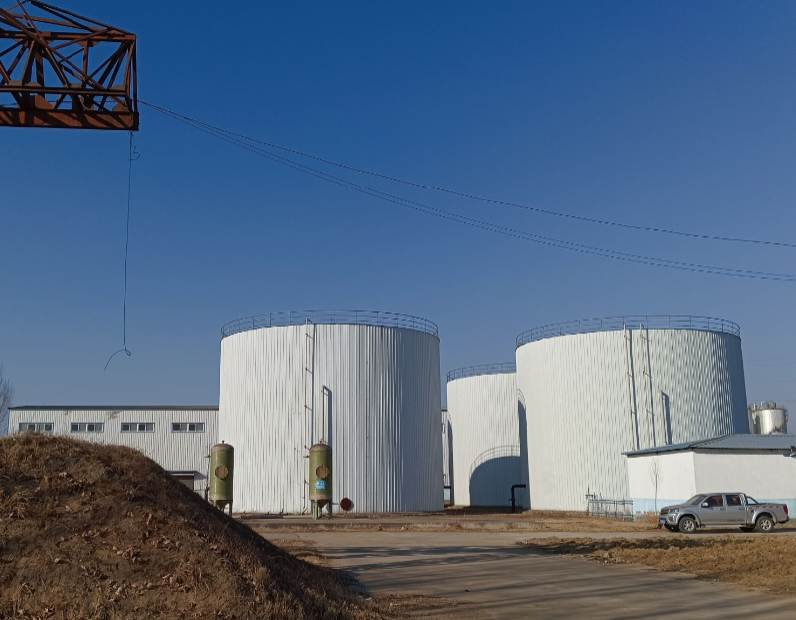
A trustworthy factory and manufacturer
- [1] Use of the Geometric Pattern Transformation to detect diabetes mellitus type 2 from blood glucose signals, Biomedical Engineering Advances, Volume 11, June 2026, 100205
- [2] Morphological and electronic engineering of Co(OH)2/Ce(OH)3 electrocatalyst on ALD-enabled MgO modified carbon cloth electrode for glucose oxidation-coupled water splitting, Chemical Engineering Journal Advances, Volume 25, March 2026, 100968