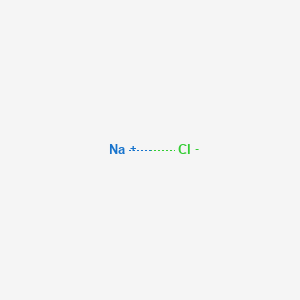
Table salt
CAS No.: 7647-14-5
- Molecular Formula: ClNa
- Molecular Weight: 58.44 g/mol
Chemical type
- Inorganic salt
- Ionic compound
- Abiotic stress–inducing chemical agent
- Inorganic ionic salt
- Salinity stress agent
- Inorganic salt
Key properties
- Highly water-soluble
- Dissociates into Na⁺ and Cl⁻ ions in aqueous solution
- Causes osmotic stress and ionic toxicity at high concentrations
- Chemically stable, non-volatile
- Fully dissociates into Na⁺ and Cl⁻ ions in aqueous solution
- Causes both osmotic stress and ionic toxicity
- Rapidly affects membrane potential and ion channels
- Used as pressure-transmitting medium in diamond anvil cell experiments
- Reduces sample thickness and prevents signal saturation in IR spectroscopy under high pressure
- Salt-stress inducer in plant physiology experiments
- Selective pressure agent for screening salt-tolerant genes
- Experimental variable to simulate saline environments
- Induction of salinity stress in plant roots
- Positive control for Ca²⁺ signalling activation
- Comparison with non-ionic osmotic stress (PEG)
- Pressure medium in high-pressure infrared spectroscopy
Classification by use
- Chemicals used to induce abiotic stress
- Chemicals used in plant stress physiology research
- Chemicals used to induce salinity stress
- Chemicals used to study ionic toxicity
- Chemicals used in plant stress signalling research
- Materials used in high-pressure experiments
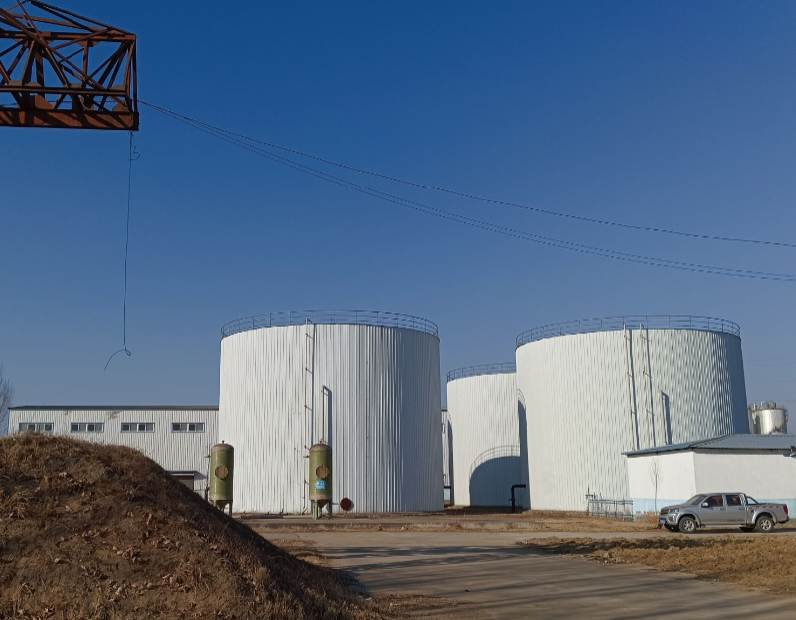
A trustworthy factory and manufacturer
- [1] High-throughput yeast screening and transcriptomic integration identify salt-tolerance genes in Spartina alterniflora, Current Plant Biology, Volume 45, January 2026, 100564
- [2] Ca2+ and ROS signalling exhibit divergent root-specific dynamics in Arabidopsis responses to abiotic stress and PAMPs, Current Plant Biology, Volume 45, January 2026, 100571
- [3] Temperature and Pressure Dependence of the Infrared Spectrum of 1-Ethyl-3-Methylimidazolium Trifluoromethanesulfonate Ionic Liquid, Appl. Sci., 2020, 10(12), 4404