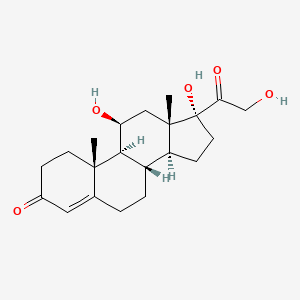

Cetacort
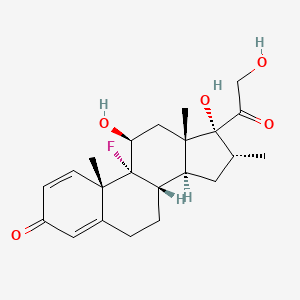
CAS No.: 50-23-7
- Molecular Formula: C₂₁H₃₀O₅
- Molecular Weight: 362.5 g/mol
Chemical type
- Endogenous steroid hormone (glucocorticoid)
- Glucocorticoid steroid hormone
Key properties
- Regulates glucose metabolism
- Increases insulin resistance
- Affects blood pressure, immune response, and bone metabolism
- Excess causes symptoms like hypertension, diabetes, muscle weakness, and hypokalemia
- Measured in serum, urine (free cortisol), and saliva
- Fails to suppress with dexamethasone in Cushing syndrome
- Primary effector of stress-induced immune suppression (anti-inflammatory)
- Binds to the Glucocorticoid Receptor (GR)
- GR acts as a transcription factor to increase anti-inflammatory proteins and repress pro-inflammatory cytokines
- Physiological stress hormone
- Clinical biomarker for hypercortisolism and Cushing’s syndrome
- Diagnostic marker (e.g., 24-hour urinary free cortisol, late-night salivary cortisol)
- Therapeutic administration (e.g., stress doses during surgery)
- Postoperative replacement in adrenal insufficiency
- Experimental research: Its role was antagonized using Mifepristone to isolate the direct (cortisol-independent) effects of CRH. Its levels were measured by ELISA to confirm the effectiveness of metyrapone and CRH treatments in zebrafish larvae.
Classification by use
- Chemicals used as endocrine biomarkers
- Chemicals involved in glucose metabolism regulation
- Chemicals involved in stress response
- Steroid hormones for endocrine disorders
- Anti-inflammatory and immunosuppressive agents
- Research chemical (experimental immunology and endocrinology)
A trustworthy factory and manufacturer
- [Cite:1] Insulin Resistance Unveiled: Cushing's Disease in a Patient with Type 1 Diabetes Mellitus and Worsening Glycemic Control, AACE Endocrinology and Diabetes, 5 January 2026
- [Cite:2] Ectopic Cushing Syndrome due to an Adrenocorticotropic Hormone-Producing Pheochromocytoma, AACE Endocrinology and Diabetes, 2 January 2026
- [Cite:3] Corticotropin-releasing hormone enhances the responsivity of macrophages to inflammation in zebrafish, General and Comparative Endocrinology, Volume 373, October 2025, 114815