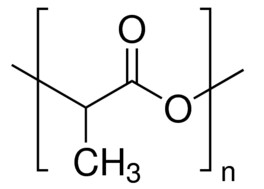
(2S)-2-Hydroxypropanoic acid homopolymer
CAS No.: 26100-51-6
- Molecular Formula: -
- Molecular Weight: - g/mol
Chemical type
- Hydrophilic thermoplastic polymer (biodegradable)
- Biodegradable aliphatic polyester
- Lactic acid–based polymer
Key properties
- Biodegradable, more hydrophilic than TPU (contact angle ~66.9°).
- Biocompatible and biodegradable
- Undergoes hydrolytic degradation under physiological conditions
- Degrades into lactic acid (lactate)
- Slow intrinsic degradation rate
- Can be partially degraded by oxygen plasma treatment to generate lactic oligomers and free lactic acid
- Used as a hydrophilic polymeric binder for shaping HKUST-1 powder into composite extrudates/pellets.
- Source of sustained lactic acid release
- Encapsulated polymer phase in nanocomposite hydrogels
- Biodegradable component in biomedical devices
- Material for controlled release systems
Classification by use
- Polymeric binders for material shaping
- Chemicals used in biodegradable polymers
- Chemicals used in drug and metabolite delivery systems
- Chemicals used in biomedical implants and devices
A trustworthy factory and manufacturer
- [Cite:1] Low-Hydrophilic HKUST−1/Polymer Extrudates for the PSA Separation of CO2/CH4, Molecules, 2024, 29(9), 2069
- [Cite:2] Characterization and release modelling in ELR-based nanocomposite hydrogel loaded with polylactic acid for the implementation of a biomedical device, International Journal of Biological Macromolecules, Volume 321, Part 4, September 2025, 146552