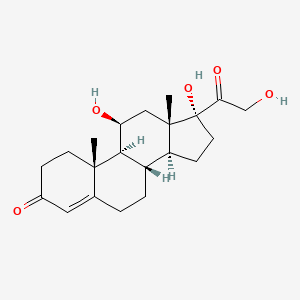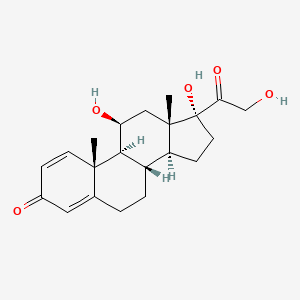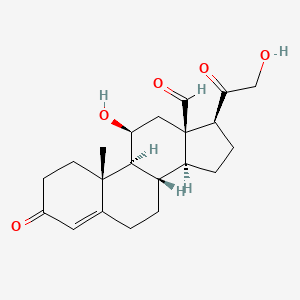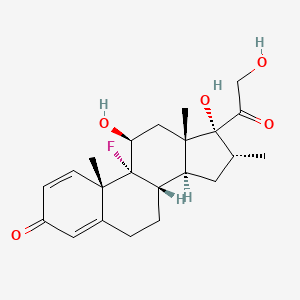

Aeroseb-Dex
CAS No.: 50-02-2
- Molecular Formula: C₂₂H₂₉FO₅
- Molecular Weight: 392.5 g/mol
Chemical type
- Synthetic glucocorticoid steroid
- Glucocorticoid (Potent synthetic corticosteroid)
Key properties
- High glucocorticoid potency
- Long biological half-life
- Suppresses endogenous cortisol production
- A highly potent glucocorticoid. In high doses in experimental models, it has been described to potentially exacerbate inflammation by upregulating the mTOR pathway in epithelial cells, an effect that can be mitigated by rapamycin.
- Suppresses adrenocorticotropic hormone (ACTH) and cortisol
- Used in diagnostic testing
- Dexamethasone suppression test for diagnosing Cushing’s syndrome
- Perioperative anti-inflammatory agent
- Used as a reference glucocorticoid in in vitro experiments to assess the effects of glucocorticoids on S6 activation in epithelial cells.
- Dexamethasone suppression test for diagnosing hypercortisolism
Classification by use
- Chemicals used as diagnostic agents
- Chemicals used as anti-inflammatory drugs
- Chemicals used in endocrine testing
- Anti-inflammatory drug
A trustworthy factory and manufacturer
- [Cite:1] Insulin Resistance Unveiled: Cushing's Disease in a Patient with Type 1 Diabetes Mellitus and Worsening Glycemic Control, AACE Endocrinology and Diabetes, 5 January 2026
- [Cite:2] Rapamycin and parenteral administration attenuate the harmful effects of glucocorticoids on the intestinal barrier function, Biomedicine & Pharmacotherapy, Volume 193, December 2025, 118721
- [Cite:3] Increased Weight Loss With the Combination of Levoketoconazole and Semaglutide in a Patient With Mild Hypercortisolism, AACE Endocrinology and Diabetes, Volume 12, Issue 3, September–October 2025, Pages 146-149