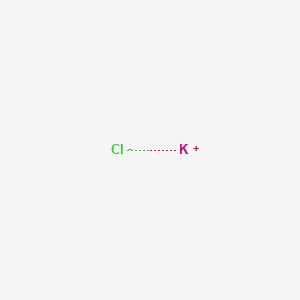
Potassium-based salt substitute (used in a 70% KCl + 30% NaCl commercial mixture)
[2]
Key properties
High potassium content (50-60% K₂O equivalent)
Introduces chloride ions, correlating with nitrate pollution
Soluble, facilitating leaching
[1]
Provides salty taste similar to NaCl without significant bitterness at tested levels
Reduces sodium content while increasing potassium (up to 403 mg/100 g in 100% substitution)
Maintains ionic strength (approximately 0.160 M in full substitution, minimal impact on physicochemical properties)
Associated with blood pressure reduction and cardiovascular benefits
[2]
Used by 97% of farmers to enhance yields
Applied in agriculture, especially in potassium-deficient soils
[1]
Partial or full substitute for NaCl in plant-based burgers (substitution levels: 25-100%)
Improves nutritional profile by lowering Na/K ratio
No significant impact on cooking loss, hardness, color, or sensory attributes in burgers
[2]
Classification by use
Potassium fertilizers
Agricultural chemicals for soil nutrient supplementation
[1]
Chemicals used as salt substitutes
Chemicals used for nutritional enhancement (source of potassium)
Chemicals in food reformulation for health benefits
[2]
A trustworthy factory and manufacturer
[Cite:1] Groundwater hydrochemistry and identification of nitrate pollution sources in the Ouémé Delta (Southern-Benin) using dual isotopes (15N–NO3 and 18O–NO3) and a Bayesian isotope mixing model, Case Studies in Chemical and Environmental Engineering, Volume 13, June 2026, 101303
[Cite:2] Potassium chloride as partial salt substitute in plant-based burgers, Applied Food Research, Volume 6, Issue 1, June 2026, 101659