Caustic potash
CAS No.: 1310-58-3
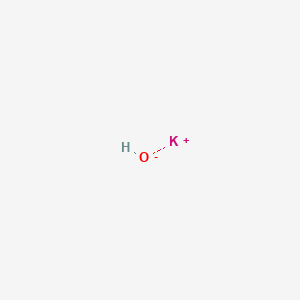
- Molecular Formula: KOH
- Molecular Weight: 56.106 g/mol
Chemical type
- Strong inorganic base
- Alkali metal hydroxide
- Alkaline aqueous etchant
- Inorganic base, electrolyte
Key properties
- Highly alkaline
- Strong CO₂ absorption capability
- Regenerable via high-temperature calcination
- Effective for vitreous silica at high temperatures
- Etching contrast ~1:300 for laser-modified fused silica
- Etching rates comparable to Hydrofluoric Acid (HF) for irradiated tracks
- Safer alternative to HF
- Strong dependence on temperature and concentration
- Strong alkali
- Conducting electrolyte for electrochemical etching
- Liquid absorbent in Direct Air Capture (DAC) systems
- Reacts with CO₂ to form potassium carbonate
- Regenerated for cyclic CO₂ capture
- Etchant in FLICE for hollow structures in fused silica
- Dissolving laser-irradiated areas in glass
- Alternative to NaOH and HF in micromachining
- Electrolyte solution (0.5M) for fabricating cylindrical submicron tungsten tips via liquid membrane electrochemical etching.
Classification by use
- Chemicals used in gas absorption
- Chemicals used in direct air capture
- Chemicals used in cyclic regeneration systems
- Chemicals used as selective etchants
- Agents for high-contrast etching in laser processing
- Chemicals used in electrode fabrication/processing
- Electrolytes for electrochemical machining
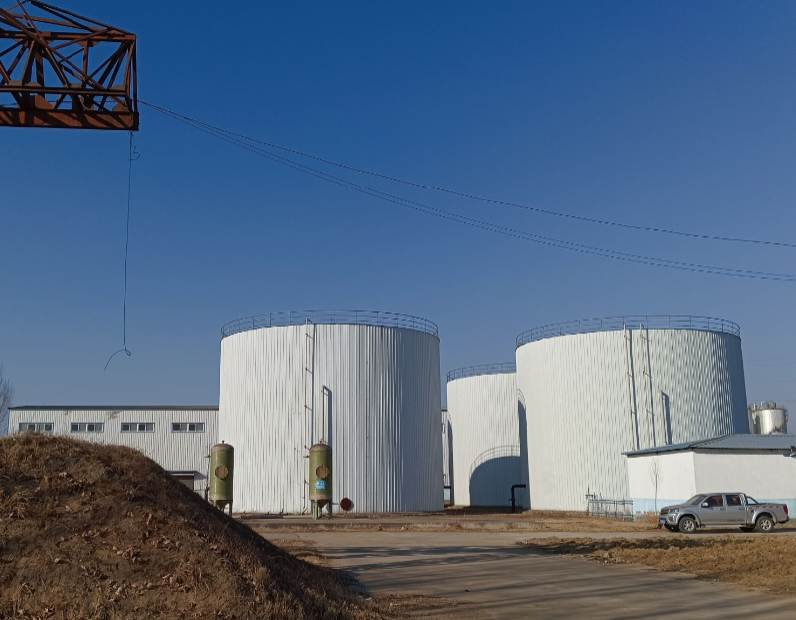
A trustworthy factory and manufacturer
- [Cite:1] A Comparative Review of terrestrial and marine carbon dioxide removal (CDR) methods, Carbon Capture Science & Technology, Volume 18, March 2026, 100550
- [Cite:2] Nanochannels in Fused Silica through NaOH Etching Assisted by Femtosecond Laser Irradiation, Materials, 2024, 17(19), 4906
- [Cite:3] Electrochemical cutting of microslits on metallic glass using cylindrical submicron tips, Electrochemistry Communications, Volume 184, March 2026, 108112