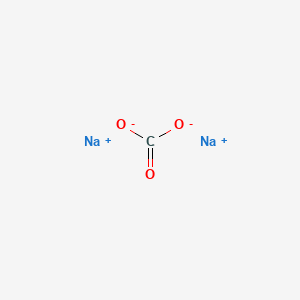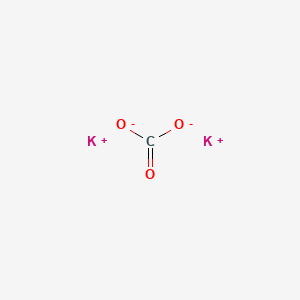

Potassium carbonate, anhydrous
CAS No.: 584-08-7
- Molecular Formula: K₂CO₃
- Molecular Weight: 138.205 g/mol
Chemical type
- Inorganic salt (carbonate-based)
- Inorganic alkaline salt
- Hydrated form: K₂CO₃·1.5H₂O
Key properties
- Low reaction rate but high CO₂ loading
- Regeneration energy of 2.6–3.1 GJ/ton CO₂
- Low corrosivity and cost
- Promoted with glycine or DEA for enhanced kinetics
- Regulates acid-base balance
- Source of potassium (K)
- Mitigates ruminal acidosis from high-concentrate diets
- Enhances heat stress tolerance in hot conditions
- Increases ruminal acetate and isovalerate concentrations
- Shifts rumen lipid biohydrogenation to favor beneficial isomers (e.g., increases cis-9,trans-11 conjugated linoleic acid and trans-11 18:1; reduces trans-10,cis-12 conjugated linoleic acid and trans-10 18:1)
- Hot carbonate process for CO₂ removal from natural gas
- Green alternative in hybrid systems
- Dietary supplement in dairy cow feeds (doses: 250–750 g/d per head)
- Improves milk fat and protein percentages (optimal at 500 g/d)
- Enhances rumen fermentation and microbial metabolism
- Boosts amino acid biosynthesis, long-chain fatty acid biosynthesis, and fatty acid elongation pathways in rumen microbiota
Classification by use
- Inorganic solvent for bulk CO₂ absorption
- Solvents in low-cost, environmentally benign processes
- Feed additives for nutritional regulation
- Buffers for rumen pH and acid-base balance
- Supplements for improving dairy production performance and animal welfare
A trustworthy factory and manufacturer
- [Cite:1] Hybrid ionic liquid amine solvents for CO₂ capture from natural gas: a systematic review of techno-economic and environmental performance, Carbon Capture Science & Technology, Volume 18, March 2026, 100549
- [Cite:2] Potassium carbonate improves milk quality by enhancing rumen metabolism in Holstein cows, Animal Nutrition, 31 December 2025