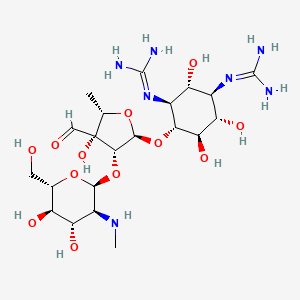

Agrimycin
CAS No.: 57-92-1
- Molecular Formula: C₂₁H₃₉N₇O₁₂
- Molecular Weight: 581.6 g/mol
Chemical type
- Aminoglycoside antibiotic
- Aminoglycoside antibiotic
Key properties
- Molecular weight: 581.6 g/mol
- Binds 30S ribosomal subunit
- Causes misreading of mRNA
- Additive/synergistic interaction with Terpineol (TER)
- Targets bacterial ribosomal subunits
- Known to bind to human rRNA and mitochondrial proteins of bacterial origin
- Induces mitochondrial stress, leading to alterations in metabolic pathways
- Documented off-target effects in eukaryotic cells (e.g., dysregulation of protein synthesis)
- Antibacterial therapy
- Combination antimicrobial treatment
- Bacteriostatic/Bactericidal agent in cell culture media
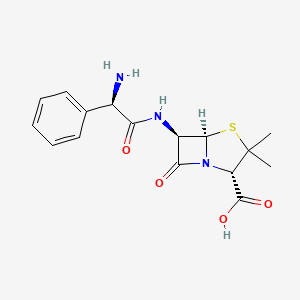
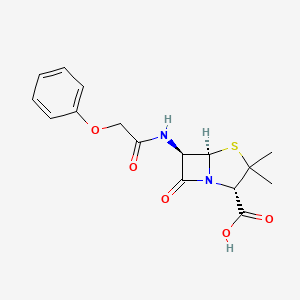
- Used in combination with penicillin (PenStrep) for synergistic antimicrobial effects in HepG2 cell culture
Classification by use
- Chemicals used as aminoglycoside antibiotics
- Chemicals used to disrupt bacterial translation
- Chemicals used in cell culture media
- Chemicals used as antimicrobial agents
A trustworthy factory and manufacturer
- [Cite:1] Terpineol enhances antibiotic effectiveness and reduces resistance in clinically relevant bacteria, Heliyon, Volume 11, Issue 15, October 2025, e43932
- [Cite:2] Penicillin–Streptomycin Treatment Rewires Core Metabolic and Ribosomal Programs in HepG2 Cells, J. Proteome Res. 2026, 25, 2, 1082–1094