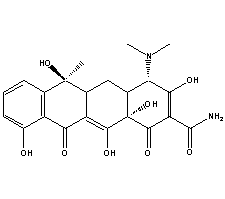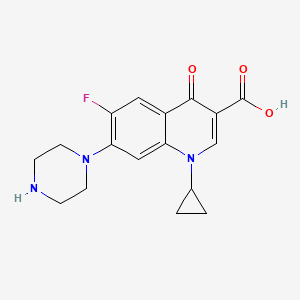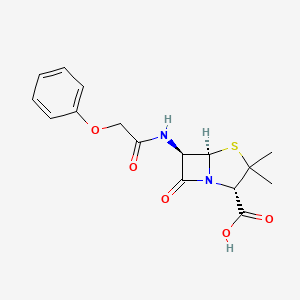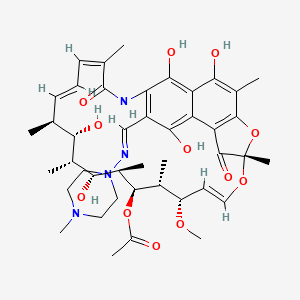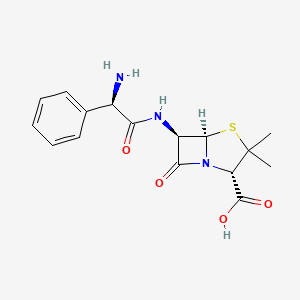

Aminobenzylpenicillin
CAS No.: 69-53-4
- Molecular Formula: C₁₆H₁₉N₃O₄S
- Molecular Weight: 349.4 g/mol
Chemical type
- Beta-lactam antibiotic
- β-lactam antibiotic (broad-spectrum penicillin derivative)
Key properties
- Molecular weight: 394.4 g/mol
- Inhibits bacterial cell wall synthesis
- Targets penicillin-binding proteins
- Moderate synergistic interactions with Terpineol (TER)
- Small, hydrophilic molecule
- Broad-spectrum antibacterial activity
- Active against Gram-positive and Gram-negative bacteria
- Moderate transplacental transfer (~25% after 4 h in ex vivo model)
- Short half-life in pregnancy (~30 minutes)
- Primarily eliminated via renal excretion
- Low teratogenic risk
- ECOFF (epidemiological cut-off value):
- 0.25 mg/L for Group B Streptococcus
- 8 mg/L for Escherichia coli
- Treatment of bacterial infections
- Combined antimicrobial studies
- Intrapartum antibiotic prophylaxis
- Treatment of maternal bacterial infections during pregnancy
- Prevention of early-onset neonatal sepsis
Classification by use
- Chemicals used as beta-lactam antibiotics
- Chemicals used to inhibit bacterial cell wall synthesis
- Chemicals used in combination antimicrobial research
- Chemicals used as antibacterial agents
- Chemicals used for maternal infection therapy
A trustworthy factory and manufacturer
- [Cite:1] Terpineol enhances antibiotic effectiveness and reduces resistance in clinically relevant bacteria, Heliyon, Volume 11, Issue 15, October 2025, e43932
- [Cite:2] Transplacental passage of ampicillin: Implications for antenatal therapy, Placenta, Volume 175, 6 March 2026, Pages 66-72