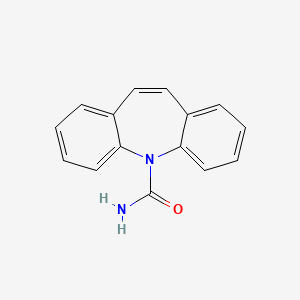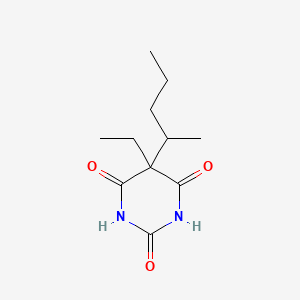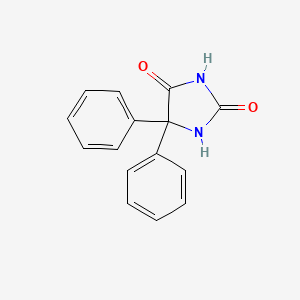
5,5-diphenylimidazolidine-2,4-dione
CAS No.: 57-41-0
- Molecular Formula: C₁₅H₁₂N₂O₂
- Molecular Weight: 252.27 g/mol
Chemical type
- Antiseizure medication (ASM) and P-gp substrate
- Aromatic antiepileptic drug
Key properties
- Extruded from brain by P-gp, leading to lower brain concentrations in drug-resistant models
- Brain levels enhanced by P-gp inhibitors like tariquidar
- Aromatic structure shared with other anticonvulsants like carbamazepine and phenobarbital; increases risk of hypersensitivity reactions including SJS/TEN; associated with type IV hypersensitivity response involving T-cell activation, cytokine release, and epidermal necrosis; genetic factors like HLA-B*15:02 allele predispose certain populations
- Treatment of epilepsy (e.g., in drug-resistant temporal lobe epilepsy)
- Studied in rodent models for antiseizure efficacy with P-gp inhibition
- Treatment of epilepsy, seizure disorders, cardiac arrhythmias, and trigeminal neuralgia; initiated for simple partial seizures in this case
Classification by use
- Chemicals used as antiseizure medications
- P-gp substrates in epilepsy research
- Anticonvulsants with known hypersensitivity potential
- Drugs for neurological disorders
A trustworthy factory and manufacturer
- [Cite:1] Tolerability of tariquidar – A third generation P-gp inhibitor as add-on medication to antiseizure medications in drug-resistant epilepsy, Seizure: European Journal of Epilepsy, Volume 119, July 2024, Pages 44-51
- [Cite:2] Stevens-Johnson syndrome triggered by phenytoin in a patient with type 2 diabetes and seizures, Exploratory Research in Clinical and Social Pharmacy, Volume 19, September 2025, 100624