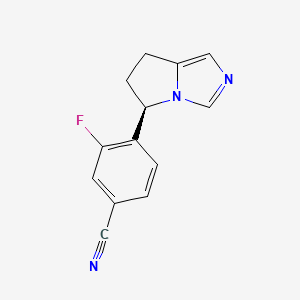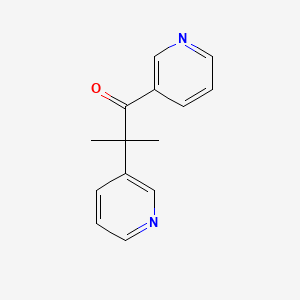

Methopyrapone
CAS No.: 54-36-4
- Molecular Formula: C₁₄H₁₄N₂O
- Molecular Weight: 226.27 g/mol
Chemical type
- Steroidogenesis inhibitor
- Pharmacological inhibitor (11β-hydroxylase inhibitor)
Key properties
- Selectively inhibits CYP11B1 and CYP11B2
- No effect on CYP7A
- Less potent inhibition of CYP3A4
- Can increase deoxycorticosterone and androgen levels (hypokalemia, hypertension, edema risks)
- Considered second-line in women due to hyperandrogenic effects
- Less potent than osilodrostat
- Shorter half-life, more frequent dosing
- Inhibits the enzyme 11β-hydroxylase, which is crucial for the final step of cortisol synthesis.
- Medical therapy for Cushing syndrome
- Alternative to osilodrostat
- Experimental research: Used as a pharmacological treatment in zebrafish larvae to block cortisol production. This allowed researchers to rule out the involvement of endogenous cortisol in the observed effects of CRH on leukocyte migration.
Classification by use
- Medications for Cushing syndrome
- Steroidogenesis inhibitors
- Research chemical (pharmacological tool in endocrinology)
A trustworthy factory and manufacturer
- [Cite:1] Osilodrostat for Cyclic Cushing Disease, AACE Endocrinology and Diabetes, Volume 13, Issue 1, January–February 2026, Pages 17-21
- [Cite:2] Corticotropin-releasing hormone enhances the responsivity of macrophages to inflammation in zebrafish, General and Comparative Endocrinology, Volume 373, October 2025, 114815