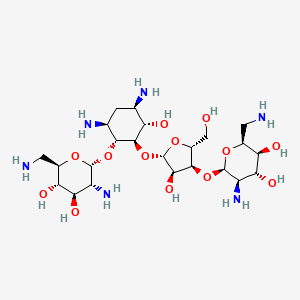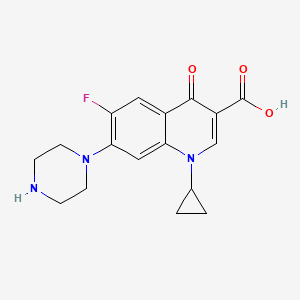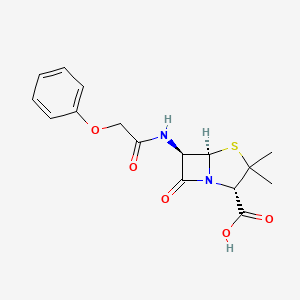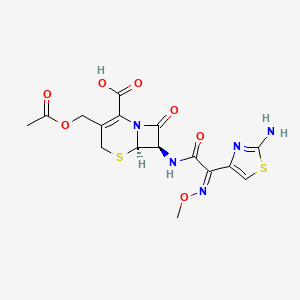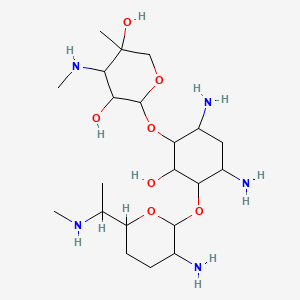
Uromycine
CAS No.: 1403-66-3
- Molecular Formula: C₂₁H₄₃N₅O₇
- Molecular Weight: 477.6 g/mol
Chemical type
- Aminoglycoside antibiotic
Key properties
- Molecular weight: 447.6 g/mol
- Binds to 30S ribosomal subunit
- Inhibits protein synthesis
- Broad-spectrum activity (Gram-positive and Gram-negative)
- Resistance can develop rapidly when used alone
- Broad-spectrum antibacterial activity
- Effective against Gram-positive and Gram-negative bacteria
- Inhibits bacterial protein synthesis
- Controls periodontal infection
- Loaded into chitosan microspheres for sustained release
- Treatment of bacterial infections
- Combined with terpineol to enhance efficacy and reduce MIC
- Infection control in periodontal defects
- Prevention of bone infection
- Sustained antibacterial effect in scaffolds
Classification by use
- Chemicals used as antibacterial antibiotics
- Chemicals used to inhibit bacterial protein synthesis
- Chemicals used in combination antimicrobial therapy
- Chemicals used to control periodontal infections
- Chemicals used in antibacterial biomaterials
A trustworthy factory and manufacturer
- [Cite:1] Terpineol enhances antibiotic effectiveness and reduces resistance in clinically relevant bacteria, Heliyon, Volume 11, Issue 15, October 2025, e43932
- [Cite:2] A novel approach utilizing Β-tricalcium phosphate/gelatin composite scaffolds incorporated with gentamycin- loaded chitosan microspheres for periodontal regeneration in two-wall intra bony defects, Journal of Oral Biology and Craniofacial Research, Volume 15, Issue 6, November–December 2025, Pages 1696-1709