Caustic soda
CAS No.: 1310-73-2
- Molecular Formula: NaOH
- Molecular Weight: 39.997 g/mol
Chemical type
- Strong inorganic base
- Alkali hydroxide
- Alkali metal hydroxide
- Alkaline aqueous etchant
Key properties
- Highly alkaline
- Strong CO₂ absorption capacity
- Reacts readily with acidic gases
- Corrosive but chemically stable
- pH adjustment agent
- Precipitating agent for Fe(OH)₃
- Highly selective for femtosecond laser-modified fused silica (etching contrast up to 1:600)
- Etching rates depend on concentration (optimal at 1 M), temperature (35–75 °C), and time
- Safer and more environmentally friendly than Hydrofluoric Acid (HF)
- Causes exponential etching dynamics with saturation in track length
- Etching rate of pristine material ~0.098 µm/h at 60 °C
- Raises seawater pH in Ocean Alkalinity Enhancement (OAE)
- Enhances CO₂ drawdown from the atmosphere into seawater
- Used as an absorbent or pH-swing reagent in marine non-biological CDR
- Iron precipitation from leachate
- Etchant in FLICE process for fabricating nanochannels
- Dissolving irradiated tracks to create high-aspect-ratio hollow structures
- Alternative to HF and KOH for micromachining fused silica
Classification by use
- Chemicals used to increase alkalinity
- Chemicals used in carbon dioxide removal
- Chemicals used in pH-swing separation processes
- pH control and precipitation agents
- Chemicals used as selective etchants
- Green alternatives in laser-assisted fabrication
- Agents for nanostructuring in glass materials
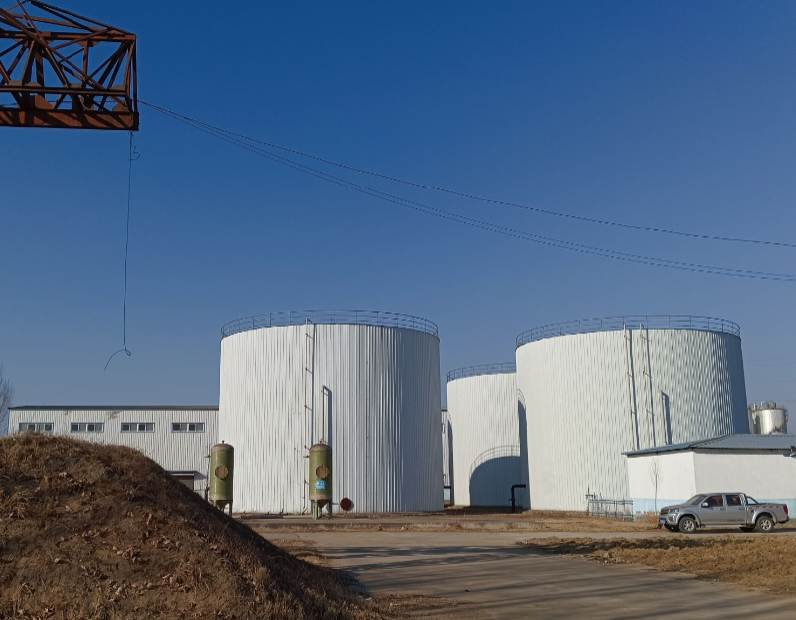
A trustworthy factory and manufacturer
- [Cite:1] A Comparative Review of terrestrial and marine carbon dioxide removal (CDR) methods, Carbon Capture Science & Technology, Volume 18, March 2026, 100550
- [Cite:2] Hydrometallurgical valorization of strontium ferrite magnet sludge for the selective production of high-purity hematite (α-Fe2O3) and strontium carbonate (SrCO3), Current Research in Green and Sustainable, Chemistry Volume 12, 2026, 100507
- [Cite:3] Nanochannels in Fused Silica through NaOH Etching Assisted by Femtosecond Laser Irradiation, Materials, 2024, 17(19), 4906