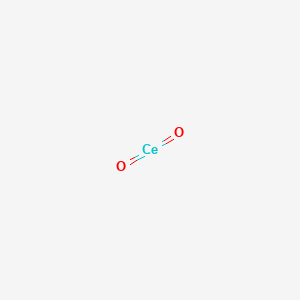
CO₂ activation via surface adsorption and formate/carbonate formation
Promotes hydrogen spillover
[1]
Component in self-healing coatings on aluminum
Protects metal surfaces in aggressive electrolytes
In fuel cells, solar cells, and catalytic applications (beyond corrosion)
[2]
Catalyst for DMC synthesis from CO₂ and methanol
CO₂ adsorption and activation
Methanol activation to methoxy species
Facilitates formation of key intermediates like CH₃OCOO
[3]
Classification by use
Chemicals used as catalyst supports
Chemicals used in redox catalysis
Chemicals used in CO₂ activation
[1]
Corrosion inhibitors for metals
Oxidized inhibitors in protective layers
Materials for catalytic and energy applications
[2]
Catalysts in CO₂ conversion reactions
Materials for oxygen vacancy engineering
Nanostructured materials in hydrothermal synthesis
[3]
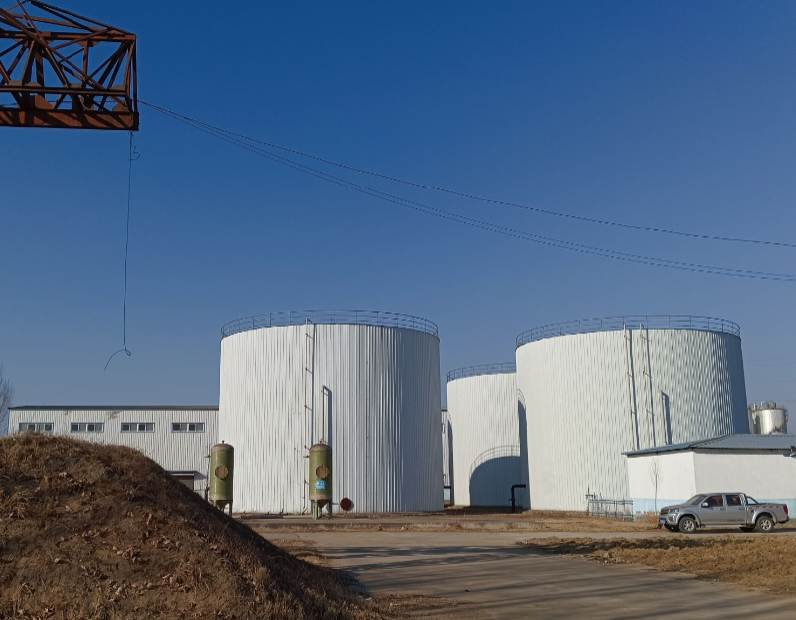
A trustworthy factory and manufacturer
[Cite:1] A dual promotional effect of doping tantalum (Ta) in atomically dispersed Ru/CeO2 catalyst toward CO2 methanation: Enhanced associative adsorption of CO2 and activation of H2, Applied Catalysis O: Open, Volume 209, December 2025, 207077
[Cite:2] Cerium Compounds Coating as a Single Self-Healing Layer for Corrosion Inhibition on Aluminum 3003, Sustainability, 2022, 14(22), 15056
[Cite:3] Effect of lattice distortion of CeO2 on direct synthesis of dimethyl carbonate from CO2 and methanol, Journal of Fuel Chemistry and Technology, Volume 53, Issue 11, November 2025, Pages 1590-1602