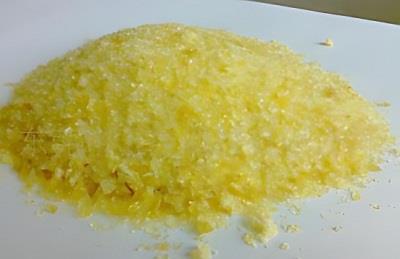
Forms physical cross-links via hydrogen bonds and electrostatic interactions
High water retention capacity
Mechanical strength suitable for oral administration
Low cytotoxicity
[1]
High molecular weight (Mw 100,000–300,000 Da)
Degree of deacetylation (DD) ≈ 82 ± 2%
Cationic nature (–NH₃⁺ groups) at acidic pH
Biocompatible, biodegradable, mucoadhesive
Forms strong electrostatic/hydrogen bonds with negatively charged molecules (DNA, GAGs, phospholipids)
Viscosity and charge strongly pH-dependent
[2]
Carrier in drug delivery systems
Hydrogel matrix for sustained release
Encapsulation of hydrophobic drugs
Biomedical applications like tissue engineering and wound healing
[1]
Wound healing hydrogels/scaffolds
Drug delivery systems (DDS)
Tissue engineering
Mucoadhesive carrier
Component in Ch/HA/TiO₂ nanocomposites for medical/cosmetic applications
[2]
Classification by use
Polymers for drug delivery
Biocompatible materials in hydrogels
Excipients for oral formulations
[1]
Biopolymers for drug delivery
Wound dressings
[2]
A trustworthy factory and manufacturer
[Cite:1] Oral Administration of Chitosan Based on Chitosan/Carboxymethyl-β-Cyclodextrin Hydrogel, Polymers, 2024, 16(16), 2368
[Cite:2] The effect of chitosan/TiO2/hyaluronic acid subphase on the behaviour of 1,2-dioleoyl-sn-glycero-3-phosphocholine membrane, Biomaterials Advances, Volume 138, July 2022, 212934