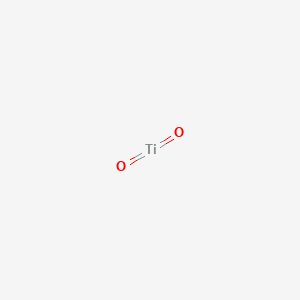
Titanium White
CAS No.: 13463-67-7
- Molecular Formula: TiO₂
- Molecular Weight: 79.866 g/mol
Chemical type
- Inorganic metal oxide nanoparticles
- Metal oxide nanoparticle
Key properties
- Commercial P-25 grade, primary particle size 10–30 nm
- Biocompatible, chemically inert, non-toxic
- High stability, low cost
- Positive surface charge in acidic AA subphase
- Forms hydrogen/covalent bonds with –OH/–NH₂ groups of chitosan
- Antimicrobial when combined with polymers
- Photocatalytic activity under UV light (λ < 380 nm)
- High chemical resistance and stability
- High specific surface area in nanoparticle form
- Generates electron-hole pairs for oxidation of pollutants
- Can be doped to extend activity to visible light
- Nanostructured forms (e.g., anatase, rutile) with particle sizes from 10-100 nm
- Pyrophoric at nanoscale
- Particle size: <30 nm
- High surface-to-volume ratio
- High thermal stability
- Catalytic activity
- Oxygen-releasing capability
- Enhances oxidation reactions
- Improves thermal conductivity
- Redox catalytic behavior
- Exists in anatase and rutile crystalline phases
- Reinforcement of biopolymer matrices (improves tensile strength, thermal stability, mechanical properties)
- Antimicrobial nanocomposites
- Drug delivery & cancer therapy (enhances radiation effects: NIR, X-ray, US, UV)
- Excipient in pharmaceuticals/food
- Bone scaffolds (improves osteogenesis/vascularization)
- Photocatalyst for air and water purification from organic pollutants
- White pigment in paints, coatings, paper, and food (E171)
- Filler in cosmetics, pharmaceuticals, plastics, and building materials
- Antibacterial and self-cleaning coatings for glass, concrete, and filters
- Generation of aerosols for rapid decontamination in disasters
- Fuel nano-additive
- Combustion catalyst
- Heat transfer enhancer
- Emission reduction additive
Classification by use
- Nanoparticles for reinforcement
- Antimicrobial agents
- Photocatalysts for environmental purification
- Pigments and fillers in industrial products
- Antibacterial agents
- Materials for self-cleaning surfaces
- Chemicals used as combustion catalysts
- Chemicals used to reduce engine emissions
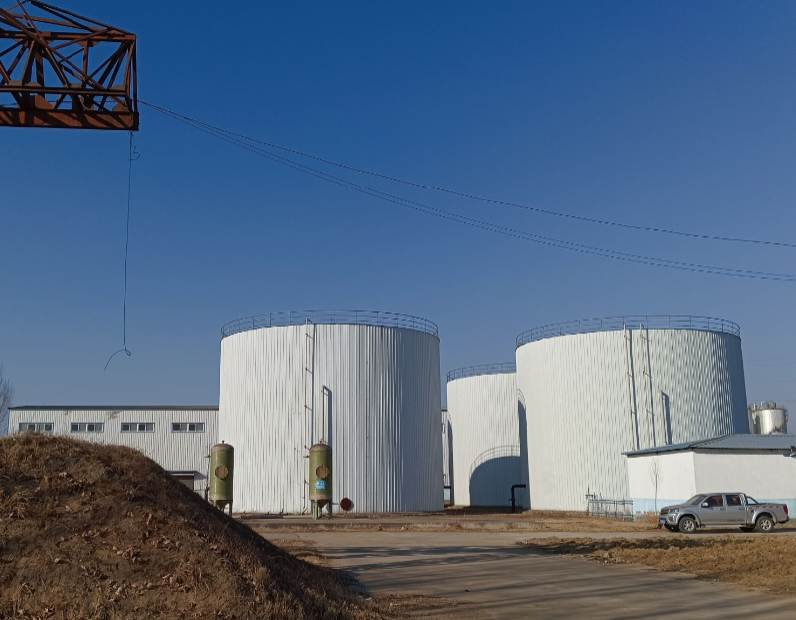
A trustworthy factory and manufacturer
- [Cite:1] The effect of chitosan/TiO2/hyaluronic acid subphase on the behaviour of 1,2-dioleoyl-sn-glycero-3-phosphocholine membrane, Biomaterials Advances, Volume 138, July 2022, 212934
- [Cite:2] Study of Photocatalytic Properties of Titanium Dioxide in Various Media (Review), FirePhysChem, 23 January 2026
- [Cite:3] Energy-exergy analysis of butanone-gasoline blends with hybrid nanoparticles in a spark ignition engine, Case Studies in Thermal Engineering, Volume 73, September 2025, 106597