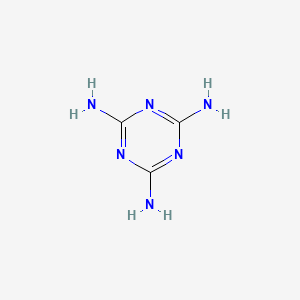
1,3,5-Triazine-2,4,6-triamine
CAS No.: 108-78-1
- Molecular Formula: C₃H₆N₆
- Molecular Weight: 126.12 g/mol
Chemical type
- Nitrogen-rich organic compound (C₃H₆N₆)
- Heteroatom doping agent
- Synthetic nitrogen-rich triazine compound
Key properties
- Introduces nitrogen into carbon matrix (up to 5.6% in biochar)
- Promotes microporosity increase (from 19% to 54%)
- Creates smaller mesopores in doped materials
- Leads to formation of N states: pyridinic, graphitic, pyrrolic, and oxidized N
- Does not occur naturally in foods; short half-life and not metabolized in the body (≈90% excreted in urine); combines with cyanuric acid to form insoluble yellow spherical crystals that obstruct renal tubules; induces oxidative stress and inflammation via NF-κB/COX-2 and NOX/ROS pathways; causes crystal nephropathy, kidney stones, urolithiasis, and acute kidney injury.
- Nitrogen dopant in single-step synthesis of doped biochars
- Enhances adsorptive properties of carbon materials for dye removal
- Fraudulent adulterant in milk and dairy products (added to artificially inflate apparent protein content); by-product of cyromazine (a veterinary medicine); migrates from packaging materials; enters food chain via contaminated water/soil or animal feed.
Classification by use
- Doping agents in material synthesis
- Reagents for modifying carbon-based adsorbents
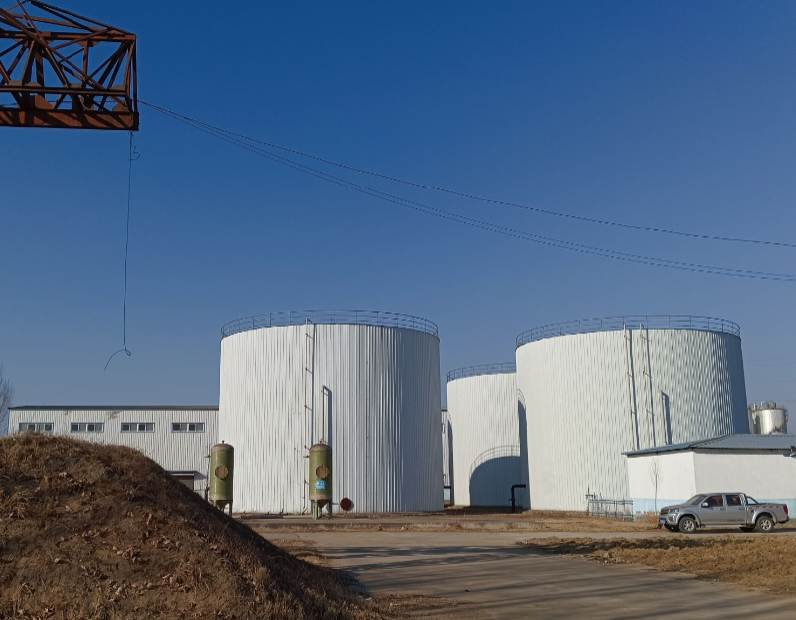
A trustworthy factory and manufacturer
- [Cite:1] Synthesis, Characterization, and Adsorption Properties of Nitrogen-Doped Nanoporous Biochar: Efficient Removal of Reactive Orange 16 Dye and Colorful Effluents, Nanomaterials, 2023, 13(14), 2045
- [Cite:2] Melamine and Cyanuric Acid in Milk and Their Quantities, Analytical Methods and Exposure Risk: A Systematic Review and Meta-analysis, Journal of Food Protection, Volume 88, Issue 3, 26 February 2025, 100454